

Every parent knows the sound of a rainy Saturday: restless kids, a living room that suddenly feels too small, and a phone getting reached for out of desperation rather than choice. Screens aren’t the enemy, but they’re rarely anyone’s favorite way to spend an afternoon together — and kids burn energy differently than adults do. They need to move, not just sit still somewhere dry.
Here are five indoor games that get bodies moving, need almost no space, and work whether it’s one kid or the whole family playing.

1. Floor Is Lava, Upgraded
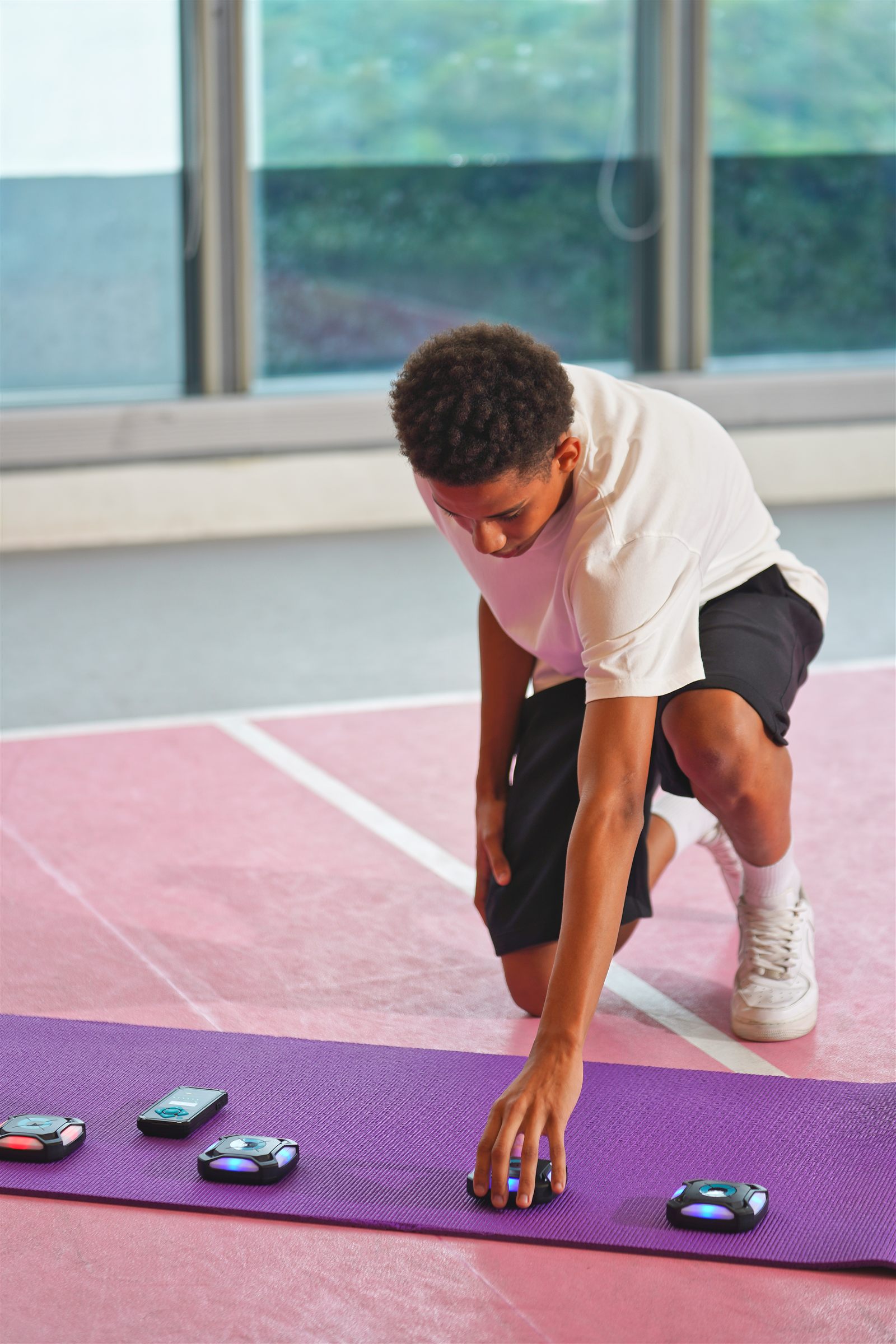
The classic still works, but the “upgrade” is giving kids specific spots to jump to instead of vague cushions and furniture — safer, and it turns aimless jumping into an actual agility challenge. Lay out cushions, paper plates, or (if you have them) light-up markers in a scattered path across the room. One rule: touch only the marked spots, and if you’ve got a timer, race to cross the room and back.
2. Freeze Dance, Reflex Edition
Music plays, everyone dances; when it stops, everyone freezes. The twist that keeps older kids engaged: add a second signal — a light, a buzzer, a specific word — that means “touch the floor” or “touch the nearest wall” instead of freezing. Now they’re not just listening for silence, they’re reacting to which signal fired, which is a genuinely trickier reflex task than it sounds.
3. Whack-a-Color
Scatter several colored targets around the room — cut-out paper circles work fine, light-up pods work even better since they don’t need refereeing. Call out a color, first to tap it scores a point. Once kids have the hang of it, flip the rule: call a color they shouldn’t touch, and everyone has to freeze instead. The rule-reversal is what keeps 8-year-olds interested past round three.
4. Tug-of-War, No Rope Required
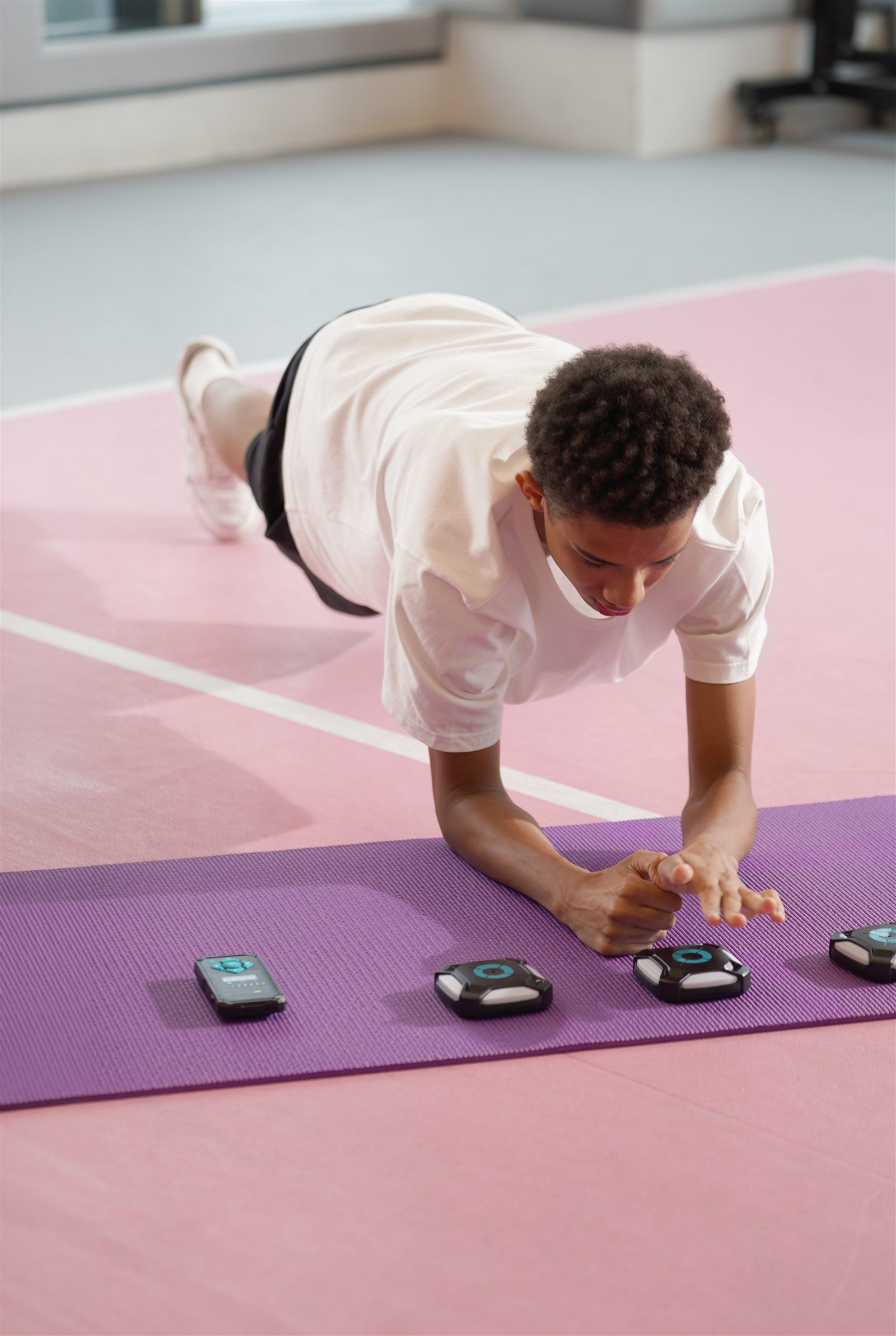
Real tug-of-war needs space most living rooms don’t have. The tabletop version: two players each claim a target in front of them and race to out-tap the other — most games award the “win” to whoever taps fastest, sustained, over about 15–20 seconds. It’s loud, competitive, and burns off exactly the kind of energy that’s hard to release standing still.
5. Memory Chain
One player calls out (or taps) a simple pattern — a color, a number, a clap sequence. The next player repeats it and adds one more step. Keep going around until someone breaks the chain. This is quietly one of the best games for mixed-age groups, since younger kids can play right alongside adults without needing a handicap — everyone’s chain gets hard eventually.
Making It Easier on Yourself
All five games above work with things you probably already have — paper, chalk, a phone timer. The honest tradeoff is that someone has to referee: calling colors, tracking scores, resetting rounds. That’s usually the parent, which means you’re managing the game instead of playing it.
This is where a set of wireless light-up pods earns its keep. ActivePod‘s remote handles the color calls, the timing, and the scoring automatically, across ten different built-in game modes that cover most of what’s above and more — so a rainy afternoon turns into “here’s the remote, go” rather than another thing on the parent to-do list. Six pods pack down small enough to keep in a drawer for exactly these afternoons.